THE NEW FOREST IS IN A DECLARED CLIMATE AND NATURE EMERGENCY
This summer showed us what that can mean.
Summer 2026 was the hottest on record for the UK, with exceptional heat and prolonged dry weather across southern England.
Here in the New Forest, when a van caught fire on the A31, the blaze spread across more than 100 hectares of heathland and woodland. Fire crews struggled to maintain enough water to tackle it. Ancient trees and rare habitats were destroyed, and some areas may take decades to recover.
The fire itself was accidental. The conditions in which it spread are expected to become more common. Met Office climate projections point to hotter, drier summers, warmer, wetter winters and more frequent extreme weather.
NFDC’s Climate and Sustainability team has been working to help communities prepare for climate impacts and protect the environment we rely on.
HOW A CHANGING CLIMATE AFFECTS THE NEW FOREST
EXTREME HEAT
Heatwaves can cause serious illness and increase the risk of heat-related deaths.
Older people, children and those with existing health conditions are particularly vulnerable.
WATER SHORTAGES
Longer dry spells can mean more than hosepipe bans.
If supplies become severely stretched, restrictions can escalate and affect the water households rely on for drinking, cooking, washing and toilets.
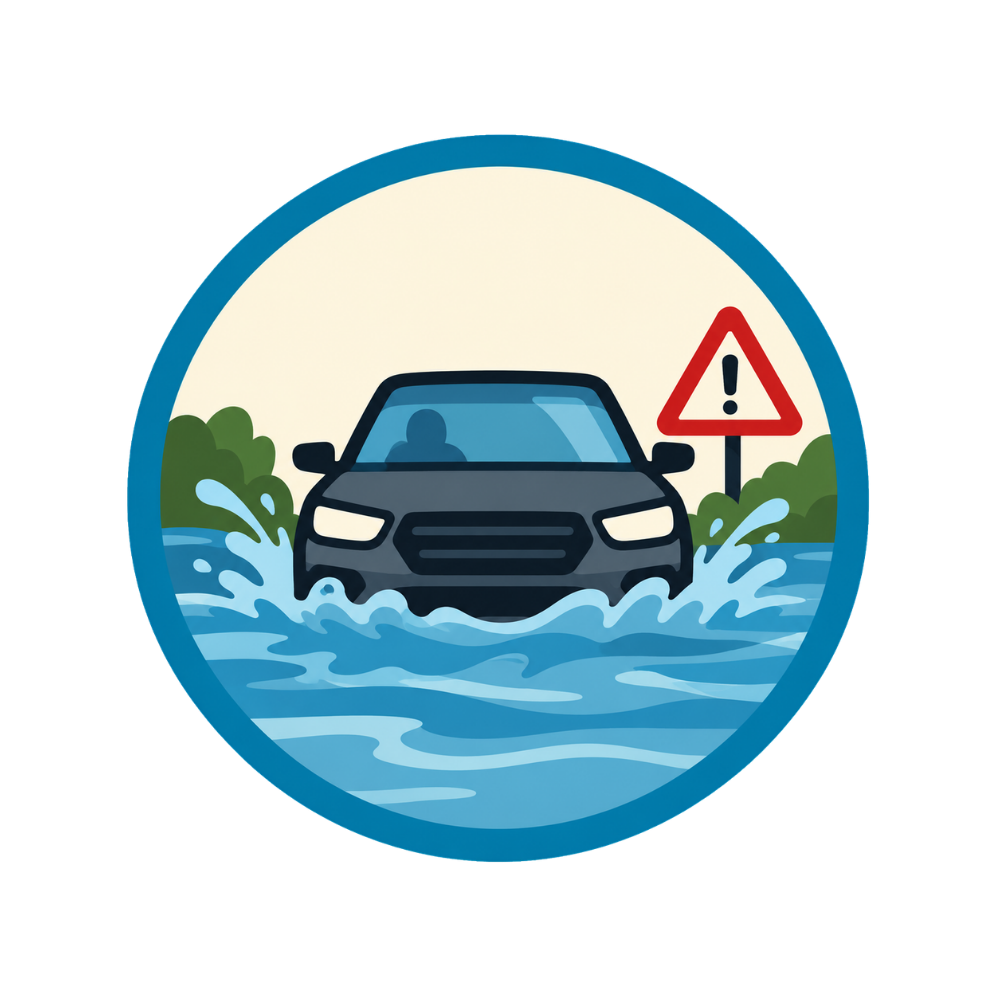
FLOODING
Heavier downpours can overwhelm drainage, flood homes and cut off roads.
The impact can include property damage, lost work and trade, disrupted services, repair costs and long-term effects on mental health.

COASTAL EROSION
Parts of the New Forest coastline are already vulnerable to change.
Over time, some homes and other assets could be lost, while coastal communities face increasing costs to manage and protect exposed areas.
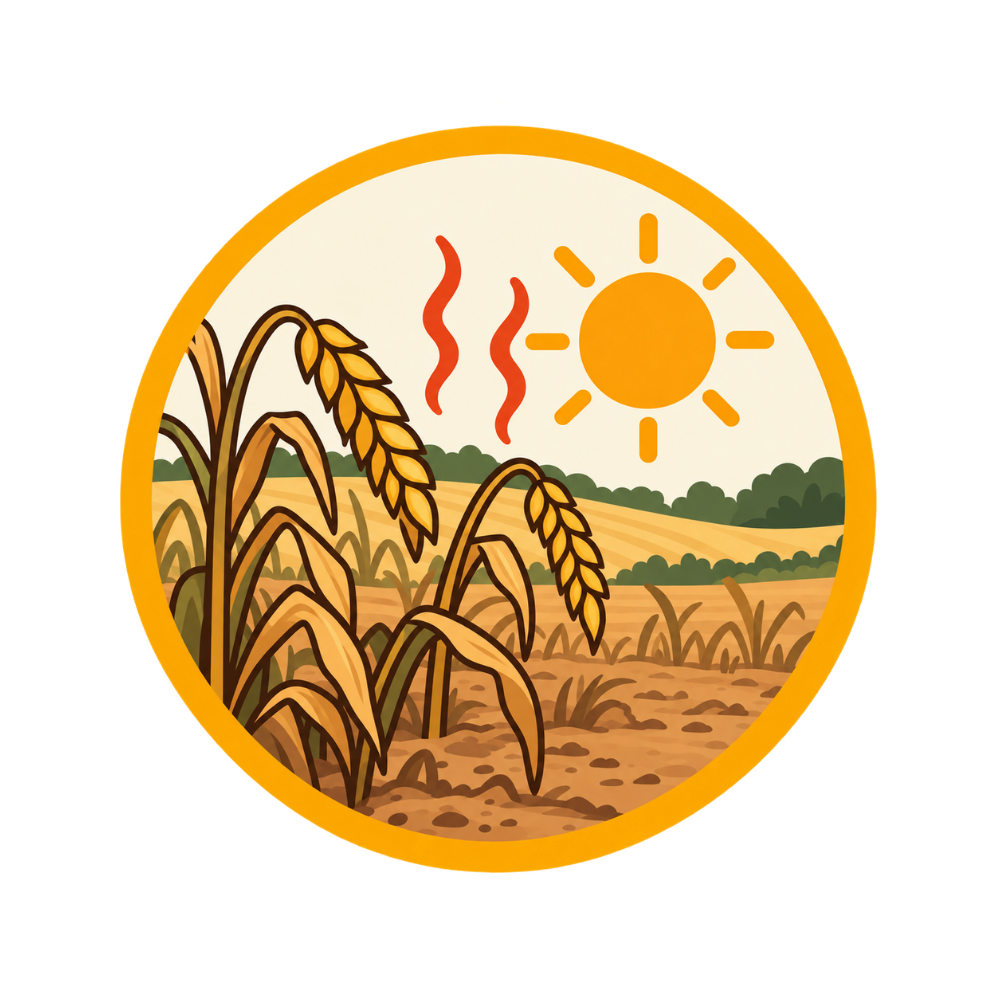
FARMING AND FOOD
Hotter, drier conditions can reduce crop yields, leave less grass for livestock and force farmers to use winter feed earlier.
Repeated poor growing seasons can increase farm costs and put further pressure on food production.
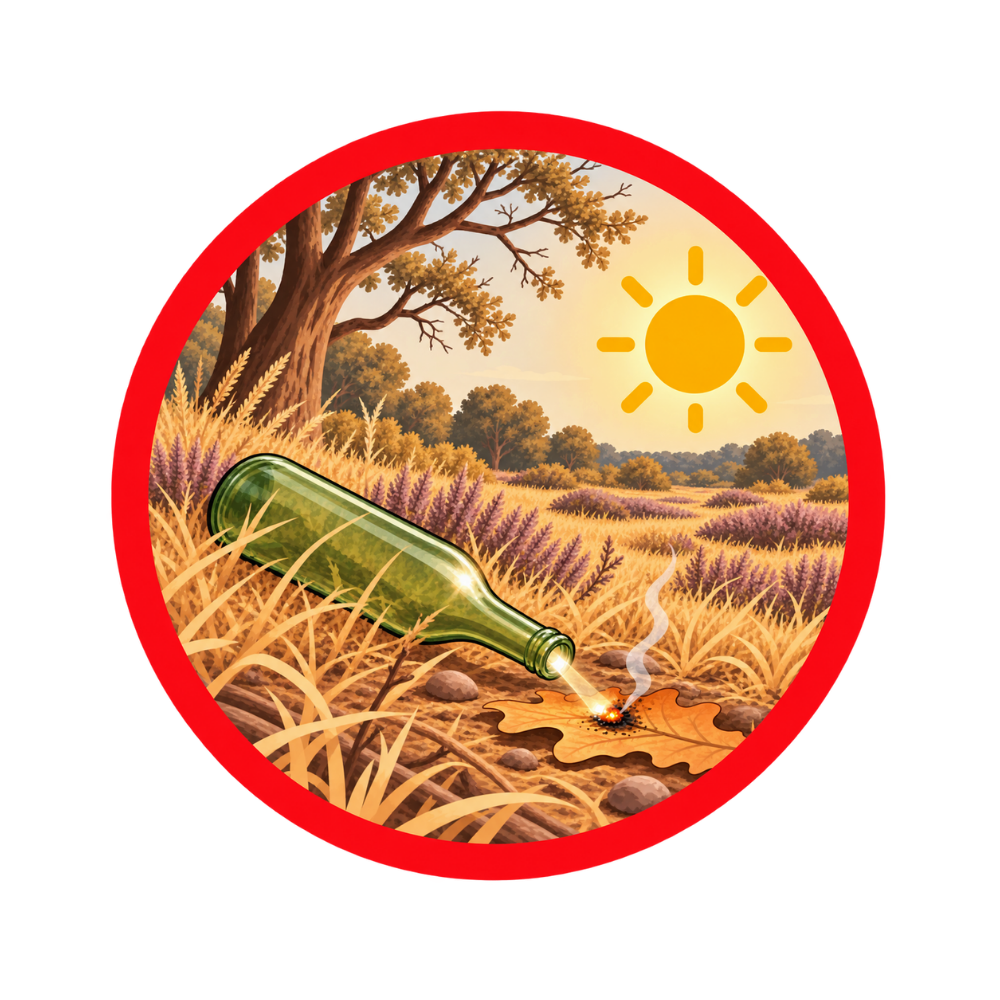
NATURE LOSS
Heat, drought and extreme weather can damage woodland, heathland, wetlands and rivers.
That can mean lost habitats, declining wildlife, fish deaths, greater wildfire risk and less natural protection from heat and heavy rain.
WHY CLIMATE RESILIENCE MATTERS
Around 37% of the New Forest National Park is considered at high or very high risk of habitat loss or damage from climate change, including freshwater habitats, wetlands, ancient pasture woodland and heathland.
Climate action is not only about cutting emissions. It is also about helping the New Forest adapt to the changes already underway.
CLIMATE AND SUSTAINABILITY IN ACTION
What does the work actually achieve?
Across the New Forest, Climate and Sustainability projects are already changing behaviour, reducing energy use and carbon emissions, supporting nature recovery and helping people prepare for a changing climate.
%
LESS ROADSIDE LITTER
A behaviour-led roadside campaign achieved a measured 75% reduction in litter at its target site by focusing on why people litter and changing the prompts around them.
%
LESS COASTAL LITTER
The Crabby project uses free litter bags and behavioural prompts at key coastal locations. Compared with the 2019 baseline, monitored litter levels were 50% lower in 2025.
INVESTED IN BUSINESS ENERGY UPGRADES
Through EcoBoost, 16 grants worth £23,357 helped local businesses fund solar PV, insulation, LED lighting and more efficient equipment.
HOMES RECEIVED FREE THERMAL-IMAGING VISITS
The HEAT project helped 64 households see where heat was escaping from their homes, while giving practical energy-saving advice to 845 residents and distributing 1,407 information packs.
TREES PLANTED IN ONE SEASON
NFDC planted 209 trees in 2025/2026, alongside work on species-rich meadows, hedgerows, native planting, butterfly monitoring and ecological improvements.
FOREST GUARDIANS
In just three months, 80 people signed up to become Forest Guardians, displaying LOFOF posters and stickers locally to help raise awareness and encourage others to care for the New Forest.
WHAT IS BEING PROPOSED?
NFDC is proposing to reduce the Climate and Sustainability budget
from £300,000 to £200,000, a saving of £100,000.
The Council believes a number of planned actions and initiatives could continue with reduced resources.
WHAT COULD A REDUCED BUDGET AFFECT?
Climate and Sustainability work currently includes:
COMMUNITY CLIMATE RESILIENCE
Helping local communities prepare for heat, flooding and other climate risks.
LITTER AND FLY-TIPPING
Running behaviour-change projects such as LOFOF, Crabby and the A35 campaign.
BUSINESS ENERGY PROJECTS
Working with businesses through projects such as EcoBoost to reduce energy use, carbon and costs.
CLIMATE AND NATURE PROJECTS
Bringing partners together, developing ideas and turning them into practical local projects.
EXTERNAL FUNDING AND FUTURE SAVINGS
The service helps identify opportunities for external funding and savings through environmental and energy-efficiency projects.
Some planned initiatives would take longer to deliver or need to be scaled back.
HAVE YOUR SAY
NFDC is asking residents to take part in a survey about future spending priorities.
Read the full proposals and share your views through the Council’s budget consultation.
The consultation is open from 13 October 2026 to 11:59pm 10 November 2026.
In Partnership with